3G Technology Improves Education in Indonesia
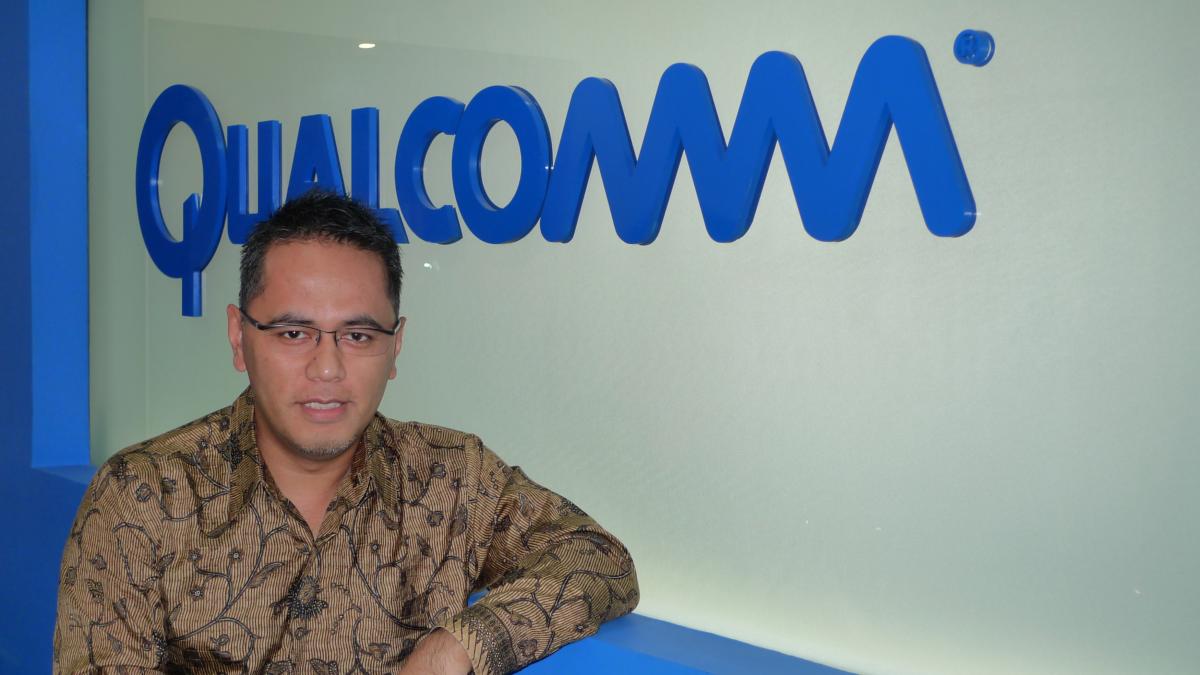
On March 3, I participated in a Computer Lab Sustainability Showcase and Awards Ceremony in Jakarta, which celebrated the success and completion of Wireless Reach’s first ever project. Wireless Reach is a strategic program that brings wireless technology to underserved communities globally and, through its work with partners, invests in projects that foster entrepreneurship, aid in public safety, enhance the delivery of health care, enrich teaching and learning and improve environmental sustainability.
Wireless Reach launched the project in Way Kanan and Pacitan in April 2006 with the following partners: local 3G operator Sampoerna Telekomunikasi Indonesia (STI), IndoNet, Axesstel Inc., the Indonesian Ministry of Information and Communication Technology, and the State Ministry for the Accelerated Development of Disadvantaged Regions.
The goal was to increase teledensity and Internet penetration to the remote townships of Way Kanan in Lampung (a rural area about a six-hour drive on bumpy dirt roads from Jakarta with minimal telecommunications infrastructure) and Pacitan in East Java. Computer labs were set up in six schools, providing Internet access to over a thousand students.
While it is common for schools to establish computer facilities that connect to the Internet, an all too frequent challenge for schools is keeping computers running, covering increased costs for electricity and Internet connectivity — and integrating the use of computers into the curriculum.
We wanted to help schools break this cycle, so in 2008, we collaborated with Cisco and the Academy for Educational Development (AED) to help staff, students and community members at these schools develop and implement sustainable business plans for their computer facilities.
Headmasters, students and parents in each community devoted years of hard work towards the maintenance and success of these labs and we are proud to report that the project has enabled teachers, and more than 3,000 students, to have access to computers and the Internet for education and research and valuable job skills training.
Largely in part to the Sustainability Toolkit (produced in English and Bahasa) the partners created and trained the schools to use, all six schools are now able to fully maintain their own ICT (information communications technology) curriculum program without external supervision and/or financial support. An outside assessment found that the project has been a great success and has enabled all participating schools to achieve financial and technical sustainability of their computer facilities.
One specific success story comes in the form of the transformation of SMAN 1 Pakuan Ratu School. When the computer lab appeared on the brink of collapse - only four of the ten computers were functional - the school put the skills learned in a recent sustainability workshop to use. Today, Pakuan Ratu’s Student Support Technicians Club (SSTC) is now comprised of 20 members that volunteer to conduct daily maintenance and cleaning routines in addition to assisting the IT technician with basic repairs, including disassembling and assembling of computers. They have also opened their lab, during school hours, to students from the nearby primary and junior secondary school and have made the lab available, for a fee, after school hours. This access is utilized extensively by teachers, local government officials and local citizens. Thanks to Pakuan Ratu School’s continued involvement in the program, the lab has revived itself and is among the most successful and innovative of all the participating schools.
The event last week was a showcase of the project’s sustainability — one of Wireless Reach’s goals for every project. We were thrilled to celebrate this success along with the teachers and students, as well as representatives from the Indonesian government. While the project currently includes six schools, I believe it will serve as a model for other schools in Indonesia, and around the world, effectively integrating 3G mobile technology and ICT curriculum into education.

